By Mark Sullivan April 16, 2026
Processing payments is no mere operational task for United States-based distributors; rather, it affects their profitability. Due to high transaction volumes and thin profit margins, even minor variations in payment processing fees could have a significant impact on their bottom line. Payments made with cards, particularly in a business-to-business context, generally incur higher interchange rates than those made with other methods. Such costs can go unnoticed unless actively managed, thereby eating into profits.
Level 2 and Level 3 data prove useful here. By providing more transaction information, they enable distributors to benefit from reduced interchange rates offered by card issuers. Again, however, distributors must ensure they can leverage these data levels effectively for optimal results. Distributors must know when Level 2 or Level 3 data will make any difference at all.
Understanding Level 1, Level 2, and Level 3 Data
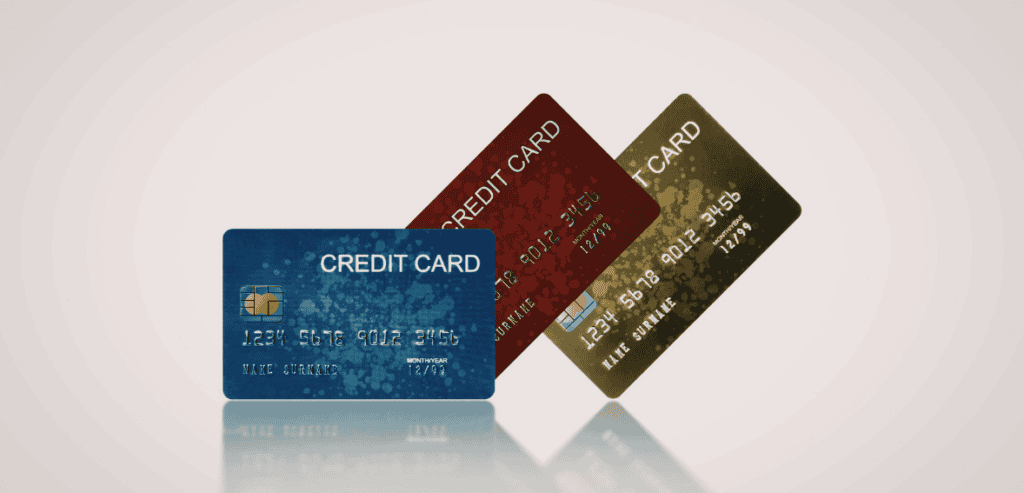
Payment data comes in various forms, depending on the information included with a payment transaction. Level 1 payments include the card number, expiry date, and transaction value. These data points suffice for typical consumer purchases; however, they are not enough for reduced interchange rates in business-to-business transactions.
Level 2 payments include tax amounts and customer codes, making them ideal for businesses and governments. Finally, Level 3 payments include all line items for products purchased, including their descriptions, quantities, unit prices, and shipping information. The higher the level of payment data, the more detailed the transaction descriptions become, reducing the risk for credit card issuers.
Therefore, lower interchange fees apply to these transactions. For distributors, it is essential to understand the differences between data types. They can save money by transitioning from one level to another, provided that the data is precise and complete.
Why Card Networks Reward More Data
Merchants must ensure they provide transaction information to minimize risk. When merchants provide a lot of information, it becomes easier for issuers to evaluate transactions and determine their credibility and purpose.
This becomes especially crucial in B2B transactions, where larger amounts are transacted with loyal clients. This information includes details on the goods purchased and the amount of tax levied. Consequently, there is a reduced risk of disputes, fraud, or chargebacks.
This makes the transaction more secure. Therefore, interest rates become very low due to the information provided. The benefit for the distributor is that they can save on transactions.
When Level 2 Data Makes Sense
Level 2 information is usually the most pragmatic place to start when distributors want to cut processing expenses without creating needless complications. While it requires adding just a few additional information fields, such as the tax amount, customer reference number, and merchant postal code, it allows transactions to qualify for better interchange rates.
This makes it particularly appropriate for those dealing with corporate, procurement, or governmental cards that necessitate enhanced data submission. Unlike Level 3, this type of information doesn’t require line-item data, thus making its application rather easy.
For organizations looking to benefit from lower rates with the least hassle, Level 2 is a great solution since it requires relatively little effort to apply successfully. At the same time, it can be easily integrated into the existing invoice preparation process, enabling its use without significant disruptions. With regular use, Level 2 will lead to substantial reductions in the average processing expenses.
When Level 3 Data Delivers Maximum Value
Level 3 data provides the greatest level of detail and the greatest cost-saving potential among the other data levels. Distributors operating in lucrative B2B markets can benefit most from level 3 data. Thanks to line-item details such as product description, quantity, unit price, and transportation information, transactions are more visible to credit issuers.
Consequently, issuers will use the lowest possible interchange rates to achieve cost savings. In cases of big corporate or government purchases made by distributors, the savings will be significant. On the downside, the complexity of the level 3 data implementation process is higher than that of level 2.
To begin with, it requires the transmission of all relevant information for every transaction, which might entail integration with enterprise resource planning software or an order management platform. While level 3 data poses some implementation challenges, the returns are worth the effort, especially when transaction amounts are large.
The Role of Transaction Size and Volume
The value derived from Levels 2 and 3 data largely depends on transaction size. The larger the transaction, the greater the benefit from reduced interchange costs, since the savings will still apply to a larger total. The same logic applies to the number of transactions, making it important to analyze one’s typical transaction behavior before enhancing the data program.
By looking at figures such as average ticket size, monthly transaction volume, and card type, an individual distributor can determine whether there is value in a particular level of data. While high-volume distributors may require Level 3 data, other organizations can manage with a Level 2 data program.
Implementation Challenges to Consider
Whereas the benefits of Levels 2 and 3 data are evident, the actual process can pose some execution challenges. The systems must be able to capture additional fields of information and transmit them correctly during payment processing. There might be a need to upgrade the installed systems or even switch to more sophisticated platforms.
Training the staff is equally important because they need to know how to enter the required information into the system. Without the necessary training, mistakes will be made, resulting in transactions that do not qualify for the low rates. On the same note, integrating the payment system with the company’s ERP or accounting system can prove difficult and take quite some time.
Ensuring Data Accuracy and Consistency
Accuracy is essential when using Level 2 and Level 3 data. Any mistake or omission in the fields will prevent a distributor from enjoying a discount on their transactions. For this reason, it is necessary to ensure that the required data points are entered accurately in each transaction.
Automated solutions are crucial for ensuring accurate results by reducing the risk of human error. The process of auditing and validation can be applied to prevent problems related to data quality. Another relevant issue concerns the consistency of the submitted data. Inconsistency will yield unpredictable results and no savings.
Integrating With Existing Systems
Integrations are essential to making the data submission process at Levels 2 and 3 efficient and sustainable. Payment processing systems must be properly integrated with ERP solutions, invoicing software, and other order management systems.
Without integrations in place, manual entries will be required, increasing the risk of errors. Properly integrated systems will enable data to be transferred directly from the point of purchase or the order placement process to the payment processors.
That way, any duplicate work will be avoided, and more efficient processes can be implemented. One of the main advantages of integrating the systems will be the ability to have a single source of transactional information, which will help track their performance.
Measuring the Impact on Processing Costs
To evaluate whether Level 2 and Level 3 data provide tangible benefits, distributors need to track their impact on processing costs. To do this, it is necessary to analyze exchange ratios and overall processing expenses before and after the introduction of improved data submission.
Analyzing these statistics will reveal savings opportunities and help detect patterns. Companies should also consider which payment types would benefit from providing more details. Consistent analysis and reporting will lead to ongoing improvements and optimizations.
Without measuring the effect, it is impossible to judge whether or not the money spent on data enhancements was well spent. With the insights derived from data, distributors will be able to optimize their payment processing strategy and focus on high-value transactions.
Balancing Effort and Return on Investment

Implementing Level 2 and Level 3 data would require distributors to commit time, effort, and resources. It will have to be determined whether the benefits of the implementation process would outweigh the costs to warrant its execution.
In large-volume, high-dollar-value businesses, it would certainly be worth it. But for smaller distributors, it may not be necessary. A phased approach to putting this data into practice could prove to be more beneficial. Starting out with Level 2 data and expanding to Level 3 as the situation warrants would ensure a good balance between effort and benefit.
Identifying Eligible Transactions
Not every transaction qualifies for Level 2 or Level 3 Data services; therefore, distributors must properly assess which transactions are eligible. Corporate Cards, Purchasing Cards, and Government Cards are common card types that may be eligible for Level 2 and Level 3 data services.
These types of cards are specifically designed for B2B transactions and are therefore more eligible for lower interchange rates, especially when more data is provided. Distributors need to examine customer composition by card type to understand how many transactions are eligible.
Standardizing Data Entry Processes
A consistent data entry process is crucial to ensuring that transactions receive Level 2 and Level 3 rates. The distributors need to develop procedures for filling in all necessary data fields. The procedure should be clear about which tax amounts, customer codes, and line-item data are required.
Such a measure ensures consistency and helps avoid mistakes that would otherwise prevent the transaction from qualifying for lower interchange fees. In addition, employees must be trained in accordance with those procedures. Validation tools may also help achieve consistency by preventing data entry errors. Consistency will ensure optimal performance and allow the distributor to effectively implement their payment strategy.
Working With Payment Processors Strategically
Selecting an appropriate payment processor is vital for effectively using Level 2 and Level 3 data. Different processors approach enhanced data in unique ways.
Some of these payment processors do not transfer all the required data elements to financial institutions and, as a result, cannot qualify transactions for better discounts. To address this problem, distributors need to maintain strong working relationships with their processors so that systems can be set up to collect all required data fields and transmit them to financial institutions.
It is also wise to establish an open line of communication with the payment processor so that any technical issues can be resolved in a timely manner. Moreover, processors usually provide reports and analyses that help organizations understand how well they perform and what improvements are needed in the process.
Adapting to Changing Card Network Rules
The requirements for Level 2 and Level 3 data also vary over time, and hence it is crucial that distributors stay up to date with the payment network’s rules and regulations.
For this reason, it is advisable that companies keep track of all updates to maintain the effectiveness of payment optimization and ensure their systems are up to date.
Conclusion
Level 2 and Level 3 data give U.S. distributors an excellent opportunity to reduce their payment processing expenses and improve the transparency of their transactions. By providing additional information, companies can enjoy reduced interchange fees and streamline their payment processes. Nevertheless, this requires proper execution and data integrity.
Some businesses may not be able to make the most of such techniques for various reasons, including transaction size, number of transactions per period, etc. If done right, the use of Level 2 and Level 3 data can turn a simple cost of doing business into a real strategy.
FAQs
What is Level 2 and Level 3 data in payment processing?
Level 2 and Level 3 data refer to enhanced transaction details (like tax, customer codes, and line items) that help qualify for lower interchange rates.
Do all businesses benefit from Level 3 data?
No, it benefits mainly B2B distributors with high-value transactions. Smaller businesses may see limited impact.
What types of cards support Level 2 and Level 3 data?
Corporate, purchasing (P-cards), and government cards are the primary types that support enhanced data benefits.
Can incorrect data affect processing costs?
Yes, incomplete or inaccurate data can disqualify transactions from lower rates, leading to higher fees.
Is implementing Level 2 and Level 3 data complex?
It can be, especially for Level 3, but with proper systems, integration, and training, it becomes manageable and worthwhile.